
The Role of the Primary Caretaker in Child Custody Decisions
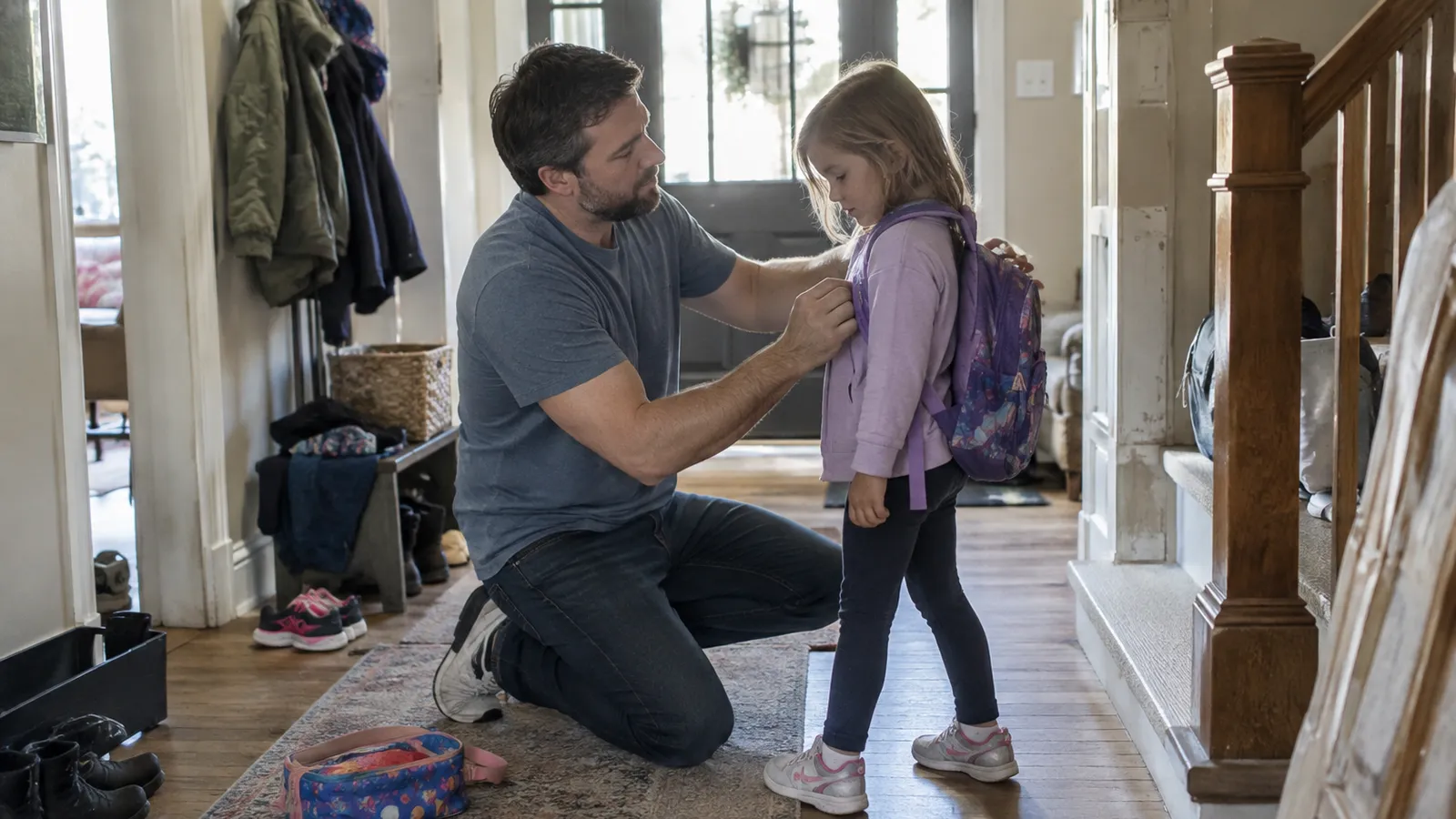
If you have been the parent handling most of your child's day-to-day life, you may be wondering whether that counts for something if custody ends up in front of a North Carolina judge. It can. It is also one part of a bigger picture, and knowing how the pieces fit together helps you make better decisions now.
What is a primary caretaker? A primary caretaker, also called a primary caregiver, is the parent who has handled most of a child's everyday care: meals, bedtime, doctor visits, school, and the small daily tasks that keep a child's life running. In a North Carolina custody case, the term simply describes who has been doing the hands-on parenting, and a judge may consider that history as one factor in deciding what is best for the child.
The rest of this guide covers the questions that come next: how the term differs from "primary custody," what a judge actually decides, and how to show the care you have been giving.
What "Primary Caretaker" Means in a North Carolina Custody Case
Think about who knows the name of your child's pediatrician, who signs the field trip forms, and who notices when the shoes are getting too small. In family law, those everyday jobs are what "primary caretaker" is about, and they tend to come up early when parents start working through child custody questions.
The tasks usually include feeding, bathing, dressing, and grooming the child. They also include the planning work: scheduling and attending medical and dental visits, keeping up with school, going to parent-teacher conferences, arranging activities, helping with homework and reading, and handling bedtime and morning routines.
You will not find "primary caretaker" defined in North Carolina's custody statute. It is a practical description that lawyers and judges use when they look at a family's history. A judge may ask who has been meeting the child's needs, how consistently, and for how long, because that history can say a lot about stability and about what the child is used to.
A couple of things are worth knowing up front. Caretaking is usually measured over a long stretch of time, not a single week or month. And being the primary caretaker does not mean the other parent did nothing. A parent who works long hours and still coaches the soccer team, handles weekend routines, or takes the child to appointments has a real role, and that involvement counts too.
Primary Caretaker vs. Primary Custody vs. Custodial Parent
These terms sound alike, so people mix them up all the time. The biggest difference is that "primary caretaker" looks backward at who has been doing the parenting, while custody terms describe what an agreement or court order says going forward.
| Term | What it means | Where it comes from |
|---|---|---|
| Primary caretaker (primary caregiver) | The parent who has handled most of the child's daily care so far | The family's actual history |
| Primary physical custody | The child lives with one parent most of the time; the other parent usually has a set schedule of time with the child | A custody order or parenting agreement |
| Custodial parent | Common shorthand for the parent the child mainly lives with; you will see it often in child support discussions | Everyday and child support usage |
| Legal custody | Who makes major decisions, such as education, medical care, and religion | A custody order or parenting agreement |
| Joint custody | Parents share legal custody, physical custody, or both | A custody order or parenting agreement |
| "Full custody" | An informal phrase people often use for sole custody, where one parent has most or all legal and physical custody | Everyday usage, not a precise legal term |
Here is how that plays out. One parent may have been the primary caretaker for years, and the parents may still agree to joint legal custody and a shared schedule after separation. The history of care helps shape the plan, but it does not lock in a particular label.
How North Carolina Judges Decide Custody: The Best Interest of the Child
When parents cannot agree and a judge decides custody, the judge's job is to find the arrangement that is best for the child. North Carolina's custody statute directs the court to award custody to the person who "will best promote the interest and welfare of the child" (N.C. Gen. Stat. 50-13.2(a)).
The statute tells judges to consider all relevant factors, and it names a few specifically: acts of domestic violence between the parties, the child's safety, and each party's safety from domestic violence by the other. The judge must also put written findings in the custody order explaining how those factors support the decision.
Beyond those named factors, judges often look at things like each parent's history of caring for the child, the child's ties to school and community, each parent's plan for the child's daily life, and each parent's willingness to support the child's relationship with the other parent. For a deeper look, read our guide to what "best interest of the child" means in a North Carolina custody case.
So where does the primary caretaker fit? Being the parent who has handled daily care can carry real weight, especially when it shows the child has had stability with that parent. It is still one factor among many, and it does not guarantee any particular custody result. A judge may also look at what each parent can offer going forward, and a parent who was less involved before separation may show they are ready and able to do more.
One more point: many custody cases never reach a judge's ruling. When parents work out a parenting agreement, they keep control over the schedule and the details instead of handing those decisions to someone who has only met their family in a courtroom.
Mothers and Fathers Start on Equal Footing
A lot of parents walk in believing the primary caretaker is "usually the mom" and that the court will lean that way. North Carolina law says otherwise. The custody statute states: "Between the parents, whether natural or adoptive, no presumption shall apply as to who will better promote the interest and welfare of the child" (N.C. Gen. Stat. 50-13.2(a)).
In plain terms, neither parent gets a head start because of gender. A father can be the primary caretaker. A mother who works full time can share caretaking equally or take on less of it. What matters is what each parent has actually done and can do for the child.
If you are a dad who has been deeply involved, your involvement deserves to be seen for what it is. If you are a parent whose job kept you busier than you would have liked, that does not erase the time you have given. Either way, the court's focus is the child and what each parent actually brings to the child's life.
How to Show You Have Been the Primary Caretaker
Saying "I do everything" is not proof. Judges, mediators, and the other parent's attorney will want to see the pattern for themselves, and the good news is that most families already have a paper trail. You just need to know where to look.
The records that tend to help most fall into a few groups:
- School: emails with teachers, parent-teacher conference sign-ups, school portal activity, pickup and drop-off records, and volunteer sign-ups.
- Medical and dental: who scheduled appointments, who is listed as the contact, patient portal messages, and pharmacy pickups.
- Daily routines: family calendars, carpool group chats, meal planning, and who handles bedtime, mornings, and sick days.
- Activities: sports and camp registrations, practice schedules, lessons, and payments for them.
- Texts and emails between parents: messages that show who arranged care, who covered when the child was sick, and who kept track of what.
People also notice involvement. A teacher, coach, pediatrician, or family friend who has seen you show up again and again may be able to describe it. Your attorney can help you decide whether anyone like that is worth involving.
A few cautions matter as much as the records themselves. Stay accurate, because overstating your role tends to backfire when the other parent's records tell a different story. Keep every message with the other parent civil, since texts written in anger often end up as exhibits. And keep your child out of it; asking a child to choose sides or to report on the other parent can hurt both the child and your case.
Gathering records is the easy part. Deciding which ones actually help, how they stack up against what the other parent will bring, and how to present them depends on the facts of your family. That is where working with an attorney can make a real difference.
If you are not sure what to save or how to organize it, start a simple calendar today and note who handled what. It does not need to be fancy, as long as it is consistent and honest.
Can Both Parents Be Primary Caretakers?
Yes. In many families, caretaking is split. One parent handles mornings and school, the other handles evenings and activities, and both take turns with sick days. When that is your family's story, there may not be a single primary caretaker at all, and that is a perfectly normal place to be.
Shared caretaking often points toward shared parenting after separation. North Carolina's custody statute says joint custody "shall be considered upon the request of either parent" (N.C. Gen. Stat. 50-13.2(a)). Considering joint custody does not mean it will be ordered, and it does not mean an exact 50/50 schedule. It means the option is on the table.
At our firm, we believe that when it is safe for the children, both parents should have the chance to be part of their lives. A thoughtful parenting agreement can reflect the way your family already works, with a schedule built around real routines instead of a one-size-fits-all template. You can learn more about how we approach these cases on our child custody page.
A Quick Note on Money for Stay-at-Home and Caretaking Parents
If you stepped back from your career to raise your children, custody is probably not your only worry. You may also be wondering how you will cover the bills during and after separation.
Child support and custody are separate legal questions, but they are connected. In North Carolina, child support is generally calculated under the state's Child Support Guidelines, which look at both parents' incomes and the custody schedule, among other things. Our child support page explains more.
A spouse who earned less or stayed home may also have questions about post-separation support or alimony. Whether either applies depends on the facts of your marriage, including each spouse's income and needs. You can read more on our alimony page.
Frequently Asked Questions
Does the primary caregiver get custody?
Not automatically. A North Carolina judge decides custody based on the child's best interests, and the history of who has provided daily care is one factor in that decision. It can matter a great deal, but it does not guarantee any particular result.
What is the difference between primary custody and full custody?
Primary custody usually means the child lives with one parent most of the time while the other parent has regular scheduled time. "Full custody" is an informal phrase people often use for sole custody, where one parent has most or all of the legal and physical custody. The exact terms depend on how your agreement or order is written.
Can a father be the primary caretaker?
Yes. North Carolina law applies no presumption in favor of either parent, so a father who has handled most of the daily care is a primary caretaker just as a mother would be.
Will working full time hurt my chances in a custody case?
Working full time does not, by itself, make someone a less fit parent. What matters is how involved you have been, what your plan is for the child's daily care, and how your schedule fits the child's needs.
Is a primary caretaker the same as a primary caregiver?
In custody conversations, yes. Both phrases describe the parent who has handled most of a child's day-to-day care.
What if we both took care of our child?
Then you may both be caretakers, and that shared history can support a shared parenting plan. Either parent can ask the court to consider joint custody, and many parents work out a schedule together through a parenting agreement.
How Triangle Divorce Lawyers Can Help
If you have been the one keeping your child's life on track, you deserve to understand how that history fits into your case and what your realistic options are. Understanding the law is the first step. Applying it to your family, with your child, your schedule, your records, and your goals, is what a case review is for.
Our attorneys help parents in Raleigh, Cary, Wake Forest, Clayton, and the surrounding counties think through custody with a clear eye on what is fair and what is best for the kids. When you are ready, Request a Case Review and we will talk through where you stand and what comes next. If you are still in the early research stage, our free Second Saturday divorce workshop is a low-pressure place to learn more.
This article provides general legal information and is not legal advice. Every situation is different. Consult an attorney about your specific circumstances. Reading this article does not create an attorney-client relationship with Triangle Divorce Lawyers.
A free 10-minute call is the best way to get guidance specific to your circumstances.